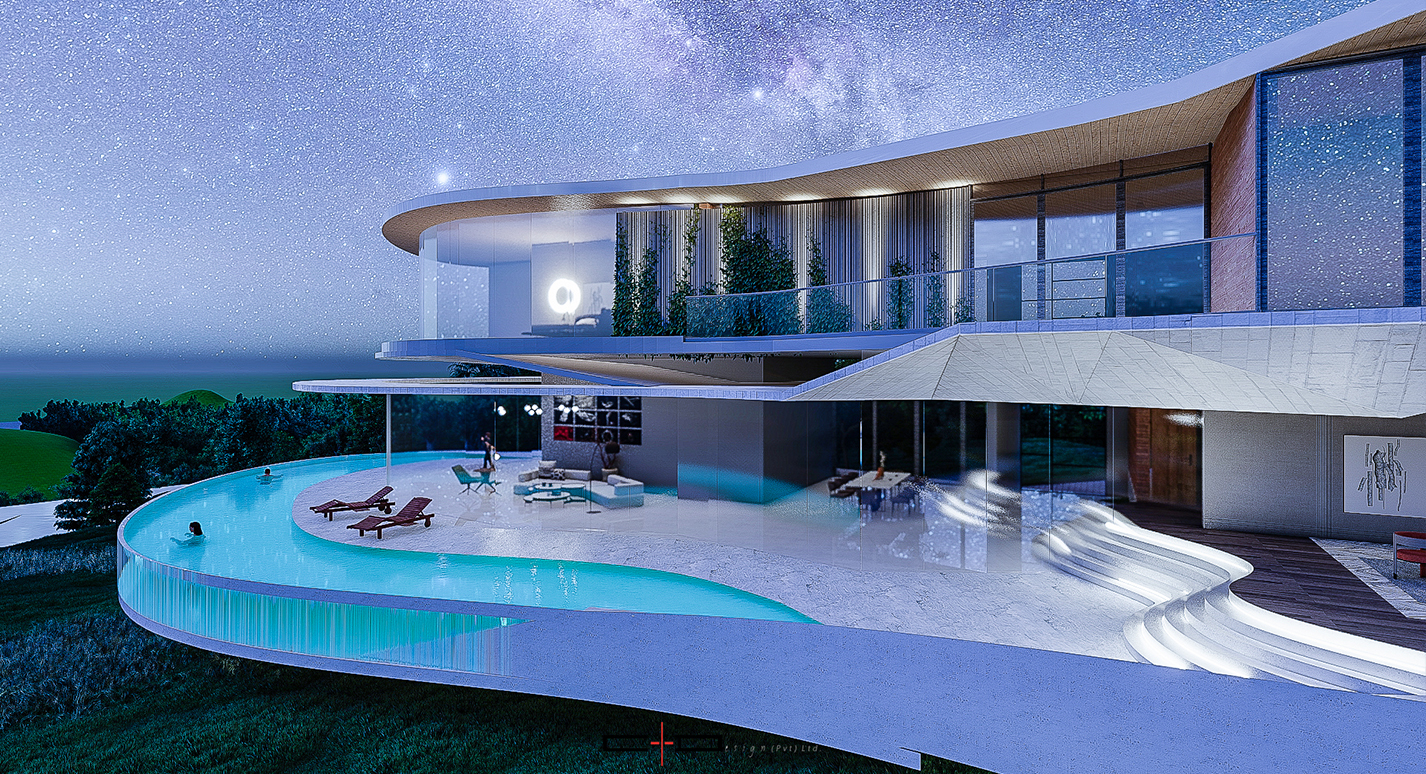
Crafting a Vision for the Future
As we approach 2025, the world of architecture stands on the brink of transformative change. The landscape of our built environment is constantly evolving, shaped by the convergence of technology, sustainability, and a deeper understanding of human needs. For architects, this is an exciting time to lead the charge in creating spaces that not only stand the test of time but also reflect the values and aspirations of a rapidly changing world.
In this blog, we’ll explore the key trends in modern architecture that are expected to dominate in 2025 and beyond. These trends reflect not only the advancements in design and technology but also the growing importance of creating spaces that speak to the heart of humanity. As architects, it is our privilege and responsibility to design spaces that connect people, enrich their lives, and inspire the future.
1. Sustainable Design: Architecture that Gives Back
Sustainability is no longer just a trend—it’s a necessity. By 2025, the pressure on architects to create environmentally responsible buildings will be stronger than ever. But sustainability isn’t just about minimizing harm; it's about creating buildings that regenerate and restore. Regenerative design principles will take center stage, where buildings actively contribute to the health of the planet.
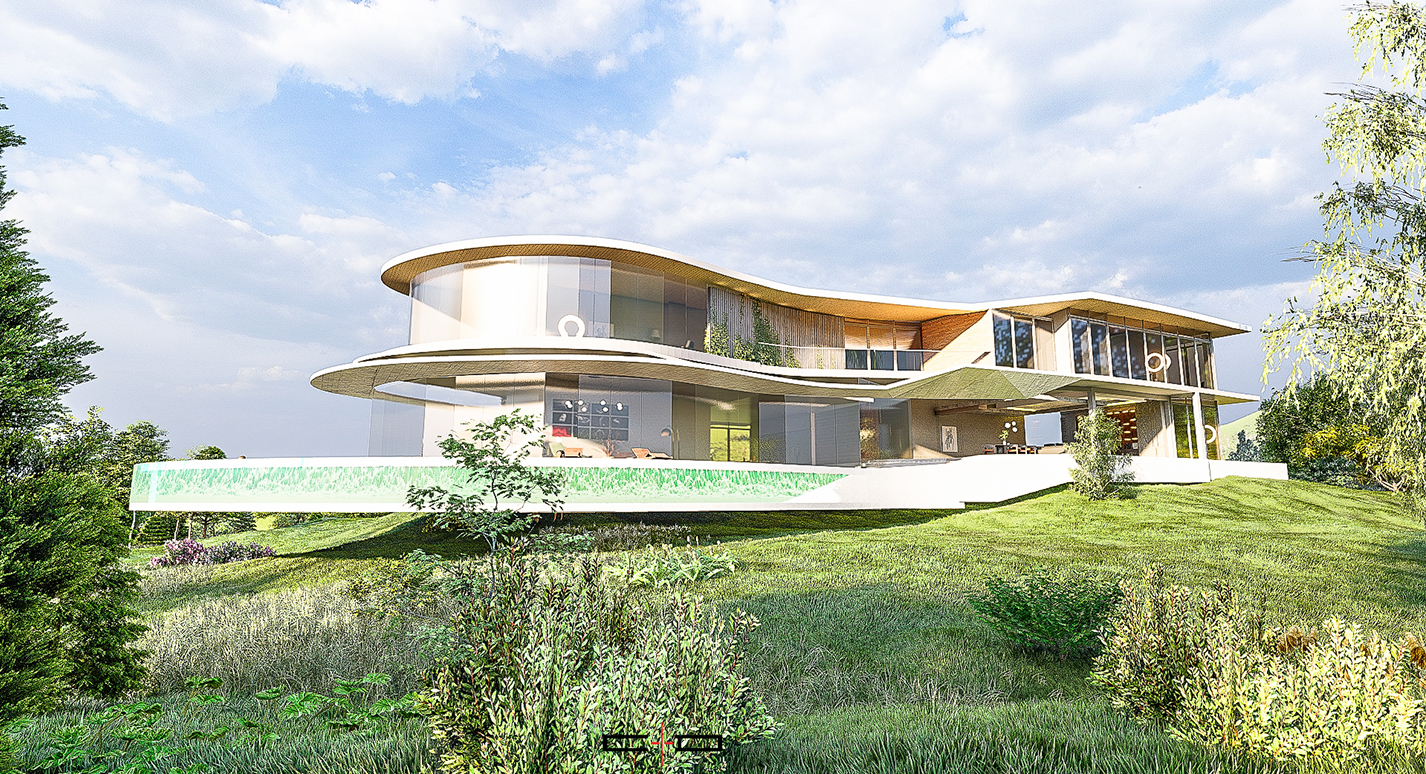
We’ll see a rise in green roofs, living walls, and urban farming integrated into urban designs. These features will go beyond aesthetics, serving as functional spaces that help improve air quality, reduce energy consumption, and promote biodiversity. In addition, architects will increasingly turn to bio-based materials like hempcrete, bamboo, and recycled metals, all of which reduce the carbon footprint while providing durability and style.
2. Smart Buildings and Integrated Technology
As technology continues to evolve, it’s no surprise that smart buildings are becoming a dominant trend. By 2025, smart architecture will no longer be the exception—it will be the norm. From AI-powered systems to integrated IoT (Internet of Things) devices and buildings will become smarter, more responsive, and more efficient.
Imagine living or working in a building that adjusts to your preferences in real time—lighting, temperature, even air quality—all automatically optimized for comfort and efficiency. This is the reality that architects will create by incorporating sensors, intelligent systems, and automation into their designs. Climate control systems will use data to adjust based on the time of day, occupancy levels, and weather conditions, drastically reducing energy consumption.
3. Biophilic Design: Bringing Nature Inside
Biophilic design—the practice of connecting people with nature—is a trend that will only grow in importance by 2025. With the increasing awareness of mental health and well-being, biophilic design principles will become integral to creating spaces that nurture both the mind and the body.
In 2025, architects will focus on creating environments that promote health and productivity by incorporating natural elements such as light, water, greenery, and organic materials into their designs. Green walls, indoor gardens, and expansive windows that offer stunning views of nature will become common features in residential, commercial, and public spaces. The goal is to create environments that are calming, inspiring, and restorative—spaces where people can thrive both physically and mentally.
4. Modular and Prefabricated Architecture: Efficiency and Customization
Modular and prefabricated construction, once considered a temporary or low-cost solution, is now being recognized for its potential in modern, high-quality design. In 2025, modular architecture will become a key trend, offering an efficient and customizable approach to construction.
With modular design, parts of a building are fabricated off-site and then assembled on location, which reduces construction time and waste. The flexibility of modular design allows architects to create bespoke spaces that are tailored to the specific needs of the client, without compromising on quality or style. The prefabrication process also enables a higher degree of precision and quality control, making it possible to create buildings faster and more efficiently than traditional construction methods.
5. Adaptive Reuse: Embracing the Past While Designing for the Future
As cities grow and urban land becomes more scarce, adaptive reuse will continue to be a powerful design strategy. The process of repurposing old buildings for new uses not only conserves resources but also breathes new life into structures that hold historical significance.
By 2025, adaptive reuse will be more than just a trend—it will be a hallmark of smart, sustainable architecture. Architects will continue to repurpose old warehouses, factories, and even historic buildings into vibrant spaces that serve the needs of modern society. These projects will marry the charm and character of old structures with contemporary design sensibilities, creating buildings that are rich in history yet fully equipped for modern living or working.
Conclusion: The Future is Now
As we look ahead to 2025, it’s clear that the future of architecture is about much more than just the buildings we create. It’s about designing spaces that are responsive to the needs of their inhabitants, that embrace the latest technologies, and that help us live in harmony with the environment.
The trends we’re seeing today—sustainability, smart buildings, biophilic design, modular construction, and adaptive reuse—are not just passing fads. They represent a fundamental shift in how we think about architecture and its role in shaping the world. As architects, we have the power to craft spaces that inspire, uplift, and transform the lives of the people who experience them.